Crafting an Effective Marketing Strategy: A Comprehensive Guide
August 9, 2023

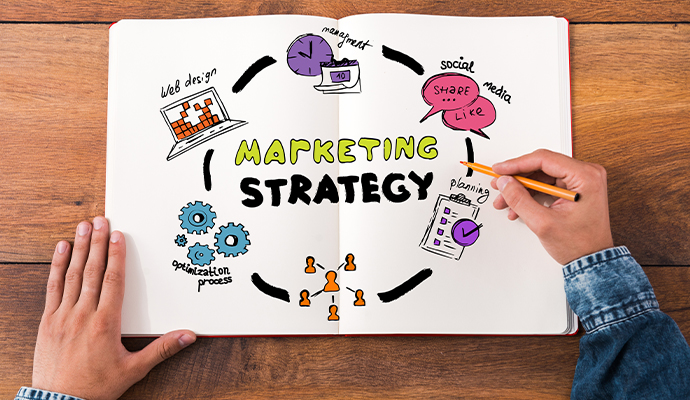
In today’s dynamic business landscape, a well-structured marketing strategy is crucial for any organization looking to stand out, connect with its target audience, and achieve sustainable growth.
A thoughtfully developed marketing strategy not only sets the direction for your brand but also helps allocate resources efficiently and maximize your return on investment.
In this comprehensive guide, we’ll walk you through the essential steps to build a successful marketing strategy that drives results.
Example of a Marketing Strategy
Business Overview:
StyleSphere is an online fashion boutique that offers a curated collection of trendy and affordable clothing, accessories, and footwear for fashion-forward young adults. The brand aims to provide high-quality products that cater to both casual and special occasions, with a focus on empowering self-expression through fashion.Marketing Objectives:
Increase website traffic by 30% within the next six months.
Boost online sales by 20% in the next quarter.
Enhance brand awareness and engagement on social media platforms.
Target Audience:
Fashion-conscious individuals aged 18-30, primarily located in urban areas. They are active on social media, follow fashion trends, and seek affordable yet stylish clothing options.Marketing Channels:
- Social Media: Utilize Instagram, Facebook, and TikTok for visual storytelling, showcasing products, and engaging with the audience through contests, polls, and influencer partnerships.
- Content Marketing: Regularly publish blog posts and videos on fashion tips, styling guides, and seasonal trends to position StyleSphere as a fashion authority.
- Email Marketing: Send personalized product recommendations, exclusive discounts, and new arrivals to the subscriber list.
- Paid Advertising: Run targeted Facebook and Instagram ads to reach a wider audience and promote special offers.
- Influencer Collaborations: Partner with fashion influencers to create authentic content featuring StyleSphere products.
Brand Story and Messaging:
StyleSphere’s brand story centers on empowering individuals to express themselves confidently through fashion. The messaging emphasizes affordable style, quality, and the idea that fashion is a form of self-expression, not just clothing.Content Strategy:
- Fashion Blog: Regularly publish blog posts on the StyleSphere website, covering topics like “Top 5 Fashion Trends for the Season,” “How to Style Statement Accessories,” and “Dressing for Your Body Type.”
- Social Media Content: Share high-quality images and videos showcasing the latest products, outfit ideas, and behind-the-scenes glimpses of the brand’s journey.
- Email Newsletter: Send a bi-weekly newsletter with a mix of fashion tips, new arrivals, customer testimonials, and exclusive discounts.
- Influencer Campaigns: Collaborate with fashion influencers to create unboxing videos, outfit-of-the-day posts, and fashion hauls featuring StyleSphere products.
Budget Allocation:Social Media Advertising: 30%
Content Creation and Influencer Collaborations: 25%
Email Marketing Tools: 10%
Website Optimization and SEO: 15%
Events and Promotions: 10%
Analytics and Measurement Tools: 10%
Measurement and Analysis:
- Monitor website traffic, conversion rates, and sales using Google Analytics and e-commerce tracking tools.
- Track social media engagement metrics, such as likes, comments, shares, and follower growth.
- Measure the success of email campaigns through open rates, click-through rates, and conversion rates.
- Regularly review the performance of paid advertising campaigns and adjust targeting and ad creatives as needed.
Understand Your Business and Market
Before diving into marketing tactics, it’s essential to have a clear understanding of your business, its goals, and the market landscape.
Define your unique value proposition (UVP), target audience, and competitive advantages. Conduct thorough market research to identify trends, customer preferences, and emerging opportunities.
Set Clear Objectives and Goals
Define what you aim to achieve with your marketing efforts. Your goals should be specific, measurable, achievable, relevant, and time-bound (SMART).
Whether it’s increasing brand awareness, driving website traffic, boosting sales, or enhancing customer engagement, having well-defined objectives provides a roadmap for your strategy.
Know Your Audience Inside Out
Creating buyer personas helps you tailor your marketing efforts to specific segments of your audience. Understand their demographics, pain points, interests, and behavior patterns.
This knowledge will guide your content creation, channel selection, and messaging.
Choose the Right Marketing Channels
Your target audience’s preferences and behaviors will dictate which marketing channels you should focus on.
Consider a mix of online and offline channels such as social media, content marketing, email marketing, influencer partnerships, search engine optimization (SEO), paid advertising, events, and more.
Each channel serves a different purpose and can help you reach your audience effectively.
Develop a Compelling Brand Story
Craft a brand narrative that resonates with your audience and differentiates you from competitors.
Your brand story should evoke emotions, showcase your values, and connect on a personal level. Consistency in messaging across all touchpoints reinforces your brand identity.
Create High-Quality Content
Content is at the core of modern marketing. Develop valuable and relevant content that addresses your audience’s needs and challenges. This includes blog posts, videos, infographics, ebooks, webinars, and more. High-quality content establishes your expertise, drives traffic, and engages your audience.
Implement Search Engine Optimization (SEO)
A well-optimized website is essential for visibility in search engines. Conduct keyword research to identify relevant search terms and integrate them naturally into your content.
Optimize meta tags, headers, images, and ensure your site loads quickly and is mobile-friendly.
Engage with Social Media
Social media platforms offer a powerful way to connect with your audience and build brand loyalty.
Choose the platforms that align with your audience’s preferences and focus on creating engaging shareable content. Respond promptly to comments and messages to foster a sense of community.
Allocate Budget and Resources
Determine the budget required to execute your marketing strategy effectively.
Allocate resources for advertising, content creation, design, tools, and personnel. Regularly review and adjust your budget based on performance and changing market conditions.
Monitor, Analyze, and Optimize
Use analytics tools to track the performance of your marketing campaigns. Monitor key metrics such as website traffic, conversion rates, social media engagement, and ROI.
Analyze the data to identify what’s working and what needs improvement. Continuously optimize your strategy based on insights gained from your analysis.
Building an effective marketing strategy is a continuous process that requires careful planning, execution, and adaptation.
By understanding your business, audience, and market, setting clear objectives, leveraging the right channels, and consistently delivering valuable content, you can create a strategy that drives growth and positions your brand for success in today’s competitive landscape.
Remember, a well-crafted marketing strategy is not just a roadmap; it’s a dynamic tool that empowers your business to thrive.