Everything You Need to Know Before Buying HRM Software
August 18, 2023

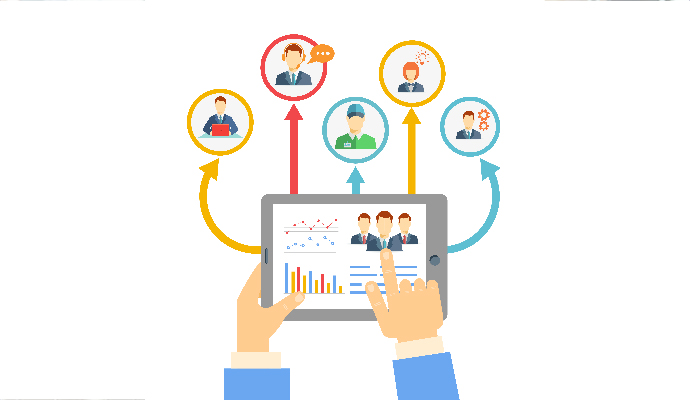
In today’s rapidly evolving business landscape, Human Resource Management (HRM) software has become an essential tool for streamlining HR processes, improving employee management, and enhancing overall organizational efficiency.
The HR tech landscape always continues to evolve, offering a plethora of options for businesses seeking the right HRM software solution. In this blog, we’ll guide you through everything you need to know before making this crucial investment.
Assess Your Needs
Before diving into the sea of HRM software options, take a close look at your organization’s specific needs. Identify pain points in your HR processes, such as recruitment, employee onboarding, performance management, payroll, and more.
This assessment will serve as a foundation for selecting the features your organization requires.
Features That Matter
HRM software has gone beyond the basics. Look for features that align with your needs, such as:
HR Analytics: Solutions that offer predictive analytics can help you make data-backed decisions, anticipate workforce trends, and optimize HR strategies.
Employee Self-Service: A user-friendly portal where employees can access their information, request leaves, and manage their profiles can enhance employee engagement and reduce administrative burden.
Remote Work Support: As remote work becomes more prevalent, ensure the software can support remote workforce management, attendance tracking, and collaboration.
Integration Capabilities: Compatibility with existing systems and tools is crucial for seamless data flow and process integration.
Scalability and Customization
Consider your organization’s growth trajectory. Will the chosen HRM software scale as your workforce grows? Additionally, look for software that allows customization to suit your unique HR processes, rather than forcing you into a one-size-fits-all approach.
User Experience
The user experience is pivotal. An intuitive interface can minimize training time, increase user adoption, and reduce errors. Prioritize software that offers a clean, easy-to-navigate interface.
Data Security and Compliance
Protecting sensitive employee data is paramount. Ensure the software complies with industry standards and regulations like GDPR, HIPAA, or any other applicable laws.
Vendor Reputation and Support
Research the vendor’s reputation and customer reviews. A reliable vendor with a track record of exceptional customer support can be invaluable in case of any technical issues or inquiries.
Total Cost of Ownership (TCO)
The upfront cost is just one aspect. Consider implementation, training, maintenance, and any additional fees when evaluating the total cost of ownership. Ensure you’re getting good value for your investment.
Demo and Trial
Never skip the demo or trial phase. It’s a hands-on opportunity to assess the software’s usability, features, and compatibility with your organization’s processes.
Future-Proofing
The HR tech landscape is ever-changing. While you can’t predict every future need, choose software that is adaptable and offers a roadmap for future updates and improvements.
Employee Feedback
Finally, involve your employees in the decision-making process. They’ll be the end-users, so their feedback can provide valuable insights into user-friendliness and feature relevance.
Investing in the right HRM software can revolutionize your organization’s HR processes, elevate employee experience, and drive overall business success. By following these key considerations, you’ll be well-equipped to make an informed decision that aligns with your organization’s goals and ensures a seamless transition into the world of advanced HR technology and beyond.