Legal Essentials for Small Businesses in India (2024)
August 12, 2024

Congratulations! You’ve taken the leap and launched your dream business. But hold on, before you celebrate with a dance like nobody’s watching (because trust us, on the internet, someone always is!), there are some legal hurdles you need to gracefully jump over first.
Legal compliance is the foundation of your business. A strong foundation allows you to scale, innovate, and ultimately, thrive. A weak foundation? Well, let’s just say it could lead to a very public facepalm moment, like forgetting to file your taxes and ending up owing more than you make!
The Scary Stats: Why Legal Matters

A whopping 20% of small businesses fail in their first year, and legal issues are a major contributing factor [Source: Fundera]. Don’t become a statistic! Understanding the legal landscape protects you from costly fines, lawsuits, and the kind of stress that makes you mad.
Essential Legal Steps in India
Here’s your roadmap to legal compliance:
Choose Your Business Structure: This is the foundation of your entrepreneurial empire. Popular options in India include:
Remember: “In business, the ultimate goal is to create a customer who is loyal to the company and the brand.” – Shiv Nadar, Founder of HCL Technologies. Your chosen structure impacts how you manage finances, attract investors, and interact with customers.
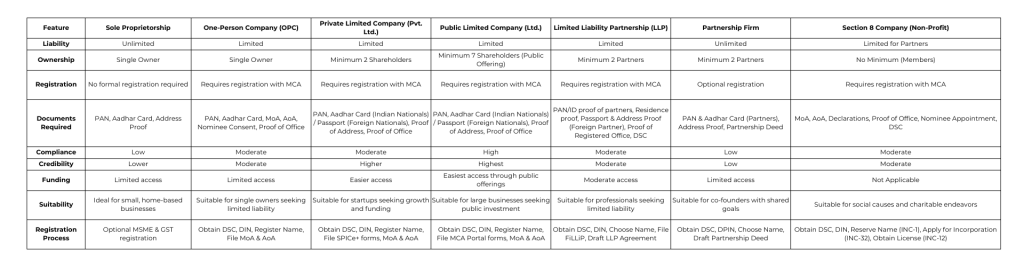
Register Your Business: The process varies depending on your chosen structure. Here’s a general breakdown:
*Utilize the MCA’s online portal (https://www.mca.gov.in/content/mca/global/en/home.html) for a more streamlined registration process.
Obtain Business Licenses and Permits: Depending on your location and industry, you might need additional licenses or permits to operate legally. These could include:
Shop & Establishment Act License: For businesses with a physical storefront (https://mahakamgar.maharashtra.gov.in/lc-registration-of-shops-and-establishments.htm).
Trade License: Issued by the local municipal authority for carrying out any trade or business activity.
FSSAI License: Mandatory for businesses involved in food manufacturing, processing, or distribution (https://fssai.gov.in/).
Pollution Control Board Consent: May be required for businesses with potential environmental impact.
*Each state may have specific licensing requirements. Check with your local authorities or industry associations for details.
Demystifying Taxes: A Guide for Every Business

Taxes are a necessary part of running a business in India, but the specific requirements can vary depending on your business structure and turnover.
Here’s a breakdown of the main taxes you might encounter:
*It’s crucial to consult a chartered accountant to determine the specific taxes applicable to your business and ensure proper filing and compliance.
Employment Law Essentials: If you have employees, you’re legally obligated to comply with a set of regulations. These include:
Understanding Licenses and Permits by Industry:
The specific licenses and permits required for your business will depend on your industry. Here are some common examples:
*This is not an exhaustive list. Always check with your local authorities and industry associations to determine the exact licenses and permits required for your specific business activity.
Dispelling Common Legal Myths:
Many entrepreneurs fall prey to misconceptions about legal compliance. Here are some common myths to debunk:
Myth: Legal advice is only needed for large businesses. (Reality: Even small startups can benefit from legal guidance to navigate complex regulations.)
Myth: Registering your business is all you need to be legally compliant. (Reality: Licenses, permits, and tax requirements add another layer of compliance.)
Myth: Legal compliance is a one-time activity. (Reality: Regulations evolve, so staying updated is crucial.)
Benefits of Legal Compliance:

Going the extra mile with legal compliance can offer significant advantages:
Builds Trust and Credibility: Demonstrates professionalism and commitment to responsible business practices, attracting investors and customers.
Reduces Risk of Penalties and Fines: Avoid hefty fines or legal action for non-compliance with regulations.
Provides Peace of Mind: Operate your business with confidence, knowing you’re adhering to legal requirements.
Facilitates Growth and Expansion: A strong legal foundation allows you to scale your business and explore new opportunities without legal roadblocks.
Remember, legal compliance isn’t a burden; it’s an investment in your business’s future. So, take the first step today, and embark on your entrepreneurial journey with confidence!