Redefining Work: How Hybrid Models Are Shaping Careers in 2025
June 27, 2025

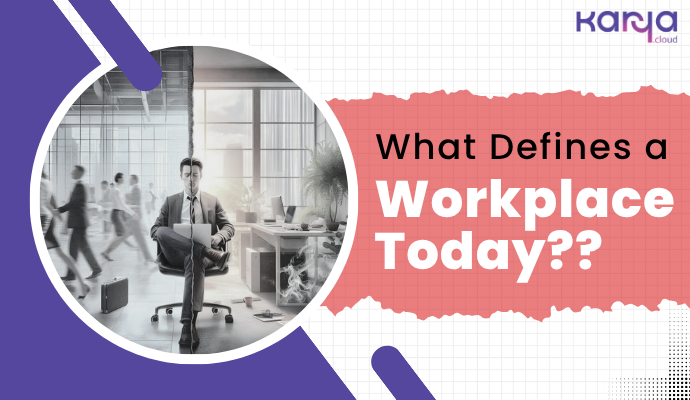
The way we work is undergoing a fundamental transformation. Across industries, professionals are embracing a new reality where work is something you do—not just a place you go. This shift toward hybrid work models represents more than just a temporary trend; it’s becoming the new standard for how businesses operate and how employees thrive.
Recent data reveals:
These numbers tell a compelling story about the modern workforce’s expectations and how forward-thinking companies are responding.

What began as a necessary adaptation during global disruptions has matured into a sophisticated approach to work. Today’s hybrid models successfully balance:
✅ Employee needs for autonomy and work-life integration
✅ Organizational requirements for collaboration and productivity
Several factors continue to drive this transformation:
1. Reimagined Physical Workspaces
Modern offices are evolving into purpose-designed environments featuring:
2. Outcome-Oriented Performance
Progressive organizations like Spotify measure success by deliverables rather than presence, implementing:
3. Borderless Talent Acquisition
Industry leaders including GitLab and Shopify have embraced location-agnostic hiring through:
4. Intelligent Work Technologies
Essential platforms enabling seamless hybrid operations:
5. Conscious Culture Development
Maintaining organizational cohesion requires intentional strategies:
Microsoft
Airbnb
Deloitte
1. The 3-2-2 Framework
(3 days remote, 2 office-based, 2 rest days) emerging as a popular rhythm
2. Professional Nomadism
Corporate partnerships with coliving platforms facilitating work-travel integration
3. Flexible Space Solutions
On-demand workspace memberships gaining traction over traditional leases
For Professionals:
For Organizations:
The transition to hybrid work represents one of the most significant workplace evolutions in modern history. Organizations that thoughtfully implement these models stand to:
🚀 Access a global talent pool
💡 Foster innovation through diverse perspectives
💰 Realize substantial operational efficiencies
As we progress through 2025, the question isn’t whether hybrid work will persist, but rather how organizations will continue refining their approaches to meet evolving workforce expectations.