What All Those Deductions Mean, Cracking the Code 2024!
August 2, 2024

August 2, 2024

Ever get that sinking feeling after opening your paycheck and seeing a bunch of unfamiliar deductions? You’re not alone. A 2023 Glassdoor survey found that 62% of employees admit to not fully understanding their paystubs. But fear not, fellow worker bees! This 2024 update equips you to decode your paystub and navigate the latest tax landscape.
Why Mastering Your Paystub Matters (More Than Ever)

In today’s dynamic economic climate, understanding your paystub is crucial. Here’s why:
Employees’ Provident Fund (EPF)

The Employees’ Provident Fund (EPF) is a government-backed retirement savings scheme. Here’s how it works:
Professional Tax
Certain states in India levy a tax on working professionals. This tax is called Professional Tax and varies depending on your:
Andhra Pradesh, Assam, Bihar, Chhattisgarh, Gujarat, Jharkhand, Karnataka, Kerala, Madhya Pradesh, Maharashtra, Meghalaya, Odisha, Tamil Nadu, Telangana, Tripura, and West Bengal.
Tax Deducted at Source (TDS)

If your salary exceeds the basic exemption limit of ₹ 3 lakhs per annum, your employer is required to deduct a portion of your salary as Tax Deducted at Source (TDS). The percentage of TDS deducted depends on:
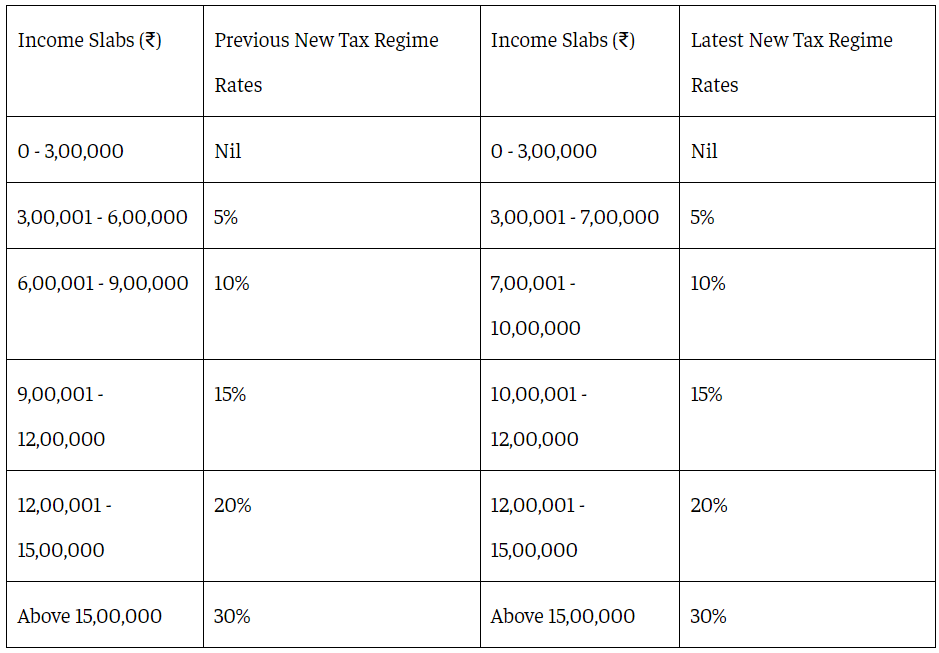
Employee State Insurance (ESI)
Employee State Insurance (ESI) is a social security scheme that provides medical benefits to covered employees and their dependents.
Employee State Insurance (ESI) applicability:
Tailored Tips for Different Salary Ranges in India:
Understanding your paystub becomes even more important depending on your income level in India.
Here are some pointers:
Focus on Government Schemes: Explore benefits like Pradhan Mantri Ujjwala Yojana (free LPG connection) or Pradhan Mantri Jan Dhan Yojana (financial inclusion scheme) if eligible.
Tax Benefits: Utilize deductions available under various sections of the Income Tax Act, like deductions for medical expenses, education loans, or house rent allowance (HRA).
Free Tax Filing: Utilize free income tax filing services offered by the Income Tax Department of India.
Long-Term Savings: Explore investment options like Public Provident Fund (PPF) or National Pension System (NPS) for tax-saving benefits and retirement planning.
Tax Planning: Consider consulting a tax advisor for personalized strategies to optimize your tax liability.
Investment Planning: Explore tax-saving investment options like Equity Linked Savings Schemes (ELSS) or Unit Linked Insurance Plans (ULIPs) for wealth creation.
Tax Optimization Strategies: Consult a qualified tax advisor to leverage advanced tax planning strategies like tax-efficient investments or charitable donations.
Empowering You Beyond the Paystub:
Take these steps to become a paystub pro:
Here are the links, you have to thank me in advance!
Government Websites:
This website has a wealth of information on taxes in India, including tax calculators, deduction details, and filing procedures.
The EPFO website offers information on EPF contributions, account statements, and claim procedures.
The ESIC website provides details on ESI eligibility, benefits, and claim processes.
Calculators and Tools:
ClearTax offers a free online paystub calculator for India. It allows you to input your salary details and deductions to estimate your take-home pay and tax liability.
Tax2Win is another popular online tax calculator in India. It provides a user-friendly interface for calculating your income tax liability based on your income and deductions.
GreyHR offers a salary calculator that considers factors like basic salary, allowances, and deductions to estimate your take-home pay.
Remember: A financially literate workforce is a powerful one. By mastering your paystub, you’re taking control of your finances and making informed decisions about your future. Don’t let those deductions be a mystery anymore. Break the code, own your financial power, and keep adulting like a boss!